Hello. Your user experience on our site might be different because you are on Internet Explorer, switch to Chrome or Safari for a better experience.


Real Estate
Chilliwack Homes For First-Time Buyers: No-Regrets Path
April 30, 2026
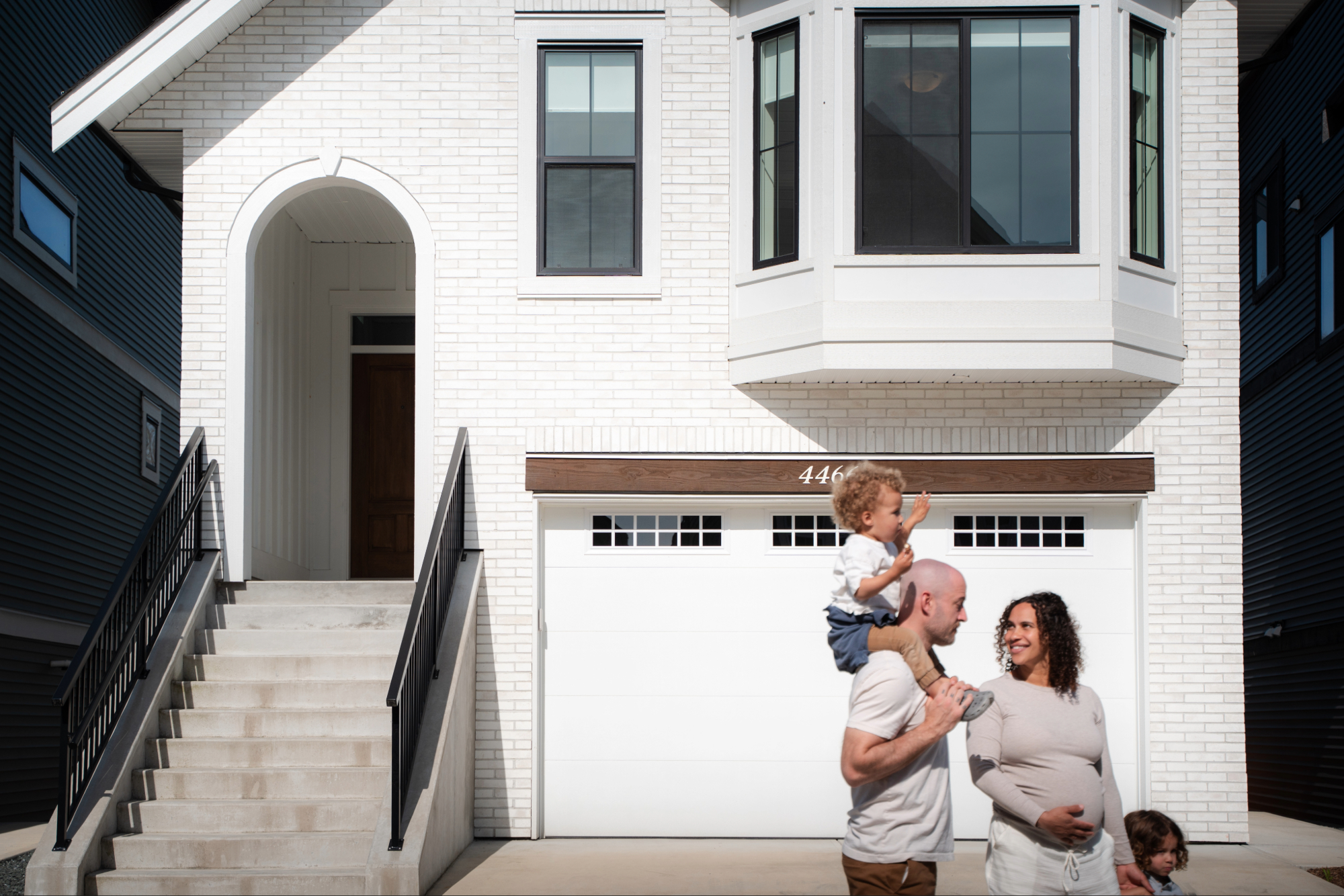
Buying your first home can feel like you need to become a part-time mortgage expert, part-time contractor and full-time decision-maker overnight. Know that you’re not alone and you don’t need a “perfect” plan. But you do need a clear one.
This guide will walk you through a first-timer friendly roadmap: how to set a realistic budget—including the costs people forget—how to shortlist neighbourhoods based on real life (commute, errands, lifestyle), what features actually matter for resale and how to avoid the classic mistakes that turn “dream home” into “why did we do this?”, turning the search of your first Chilliwack home into reality.
A smart budget starts with two truths: your down payment rules are only one part of the equation, and your closing day costs can surprise you if you don’t plan for them early. In Canada, the minimum down payment is typically 5% on the first $500,000 and 10% on the portion above $500,000. Mortgage default insurance is also usually required when your down payment is under 20%.
Divide your purchase into three separate buckets of money, because what lenders consider and what your real-life expenses might be are two different things.
If you qualify, programs can help you structure the purchase without stretching into an uncomfortable payment.
Note: Program eligibility depends on your situation. It’s worth confirming details with a mortgage professional or accountant before you commit to a strategy.
In BC, property transfer tax can be a major closing cost, so it’s not something you want to discover at the finish line. The Province of BC outlines current first-time home buyer exemption amounts and thresholds, including figures like a full or partial exemption for properties with a fair market value up to $835,000.
The “best” area isn’t the one with the prettiest listing photos. It’s the one that supports the way you actually live, especially once the new-home excitement wears off.
Pick your top 3 lifestyle priorities and use them like a non-negotiable checklist:
If you’re choosing between two homes that feel similar, this filter usually makes the decision obvious.
Most first-time buyers make their list too long. Keep it simple:
Must-Have might be:
Must-Not might be:
Resale doesn’t mean you’re planning to leave; it means you’re buying something that stays appealing as life changes. The good news: you don’t need a design degree to choose well.
The features that hold value tend to be the ones you feel every day:
A fancy backsplash is fun. A healthy building envelope is peace of mind.
In newer homes, finishes may feel more cohesive and move-in ready from the start, which can make it easier to picture yourself in the space. That’s part of the appeal. Even so, it’s still worth looking past colour palettes and styling details to focus on the features that shape daily life, like layout, storage, natural light and how the home connects to the community around it.
If you catch yourself focusing only on surface details, pause and ask: “Does this home still work for the way I want to live?”
If you’re looking at Chilliwack townhouses, there’s a reason they’re often the bridge between renting and owning: they can offer the stability of homeownership with less exterior maintenance than a detached home.
Townhomes can be a great fit when you want:
In many communities, exterior items may be handled through shared management, while you focus on your interior space and your day-to-day life.
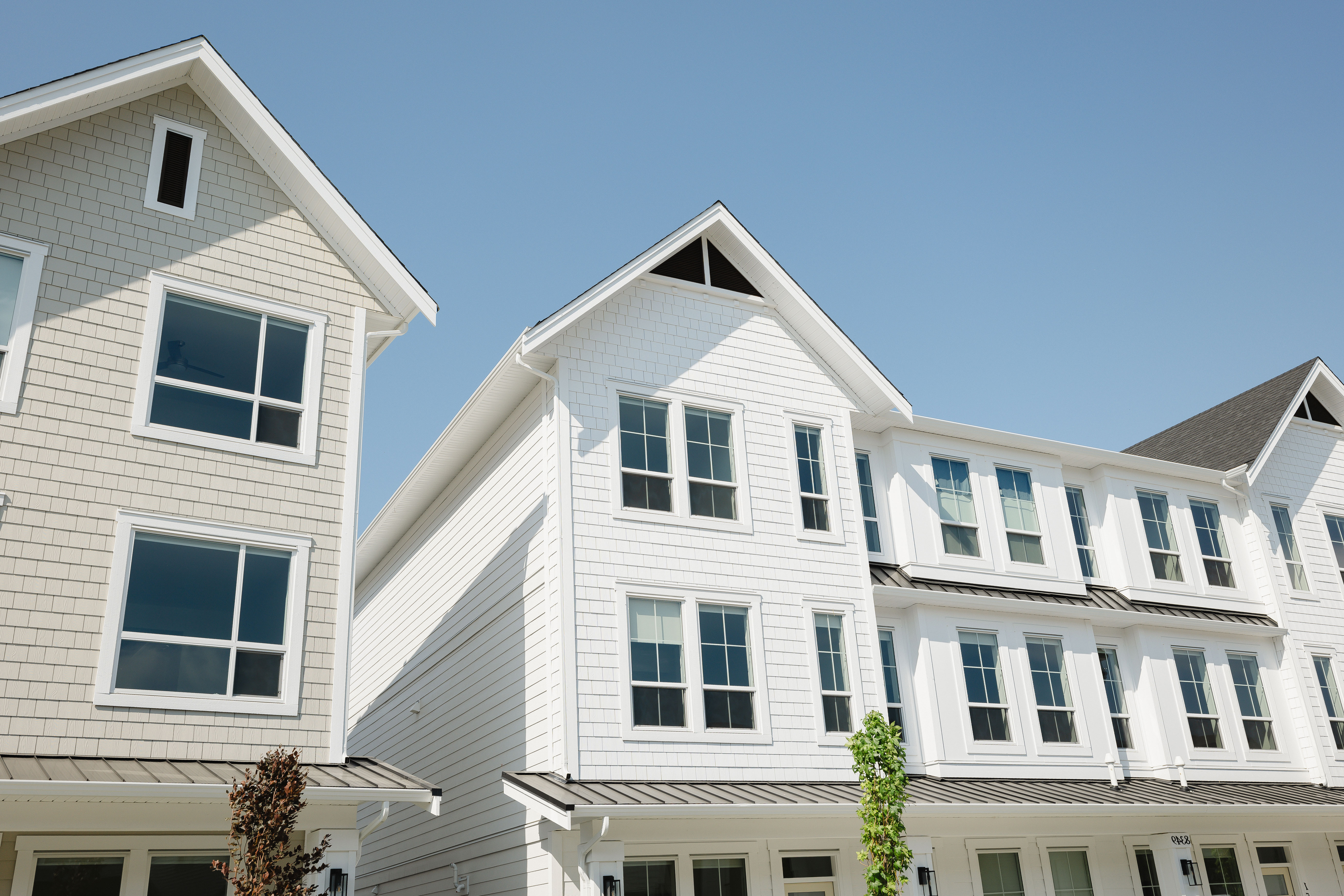
If you’re buying a townhome or anything with shared governance, HOA regulations can shape your living experience just as much as the floorplan.
Before removing subjects (or before you feel “locked in”), review documents that may cover:
If something is unclear, ask questions until it’s clear. A “maybe” in a bylaw can become a “no” later.
Showings move fast. Bring a checklist so you don’t rely on memory.
As you walk through, quietly track:
Before you leave, step outside and take a moment to notice the surroundings. Pay attention to traffic, noise, parking, nearby activity and how the area feels when you’re not focused on the inside of the home.
“What would I need to fix in the first 12 months?”
If the answer is “a lot,” the price needs to reflect that or it’s not the right first-home move.
A clear process reduces panic decisions. Most purchases follow this general path:
The key is not rushing step 4. That’s where “no-regrets” decisions are made.
Most buyer regret isn’t about choosing the “wrong” home. It’s about skipping one or two unglamorous steps.
If you want to keep your shortlist focused without limiting your options, it helps to look at communities designed around everyday livability. Cedarbrook is a master-planned community in Chilliwack built with connection, walking trails and parks in mind, so your home search includes lifestyle, not just square footage.
It’s also helpful for first-time buyers because there are different housing options to compare in one place, including townhomes and move-in ready homes. That variety can help you learn what matters most to you before you commit.
Your first home doesn’t need to be your forever home to be a great decision. If you budget for the full cost (not just the down payment), choose an area that fits your daily life, prioritize resale-smart fundamentals and take HOA regulations seriously, you’ll avoid the mistakes that trip up most first-time buyers.
Ready to find your first home? Contact Cedarbrook today or book a tour to start comparing real options and begin your shortlist, so you can see how it feels in person.
Yes, Chilliwack can be a strong fit for first-time buyers who want more space and a community feel, especially if you shortlist areas based on commute, errands and lifestyle (parks, walking trails and family-friendly amenities). The key is matching the neighbourhood to your day-to-day routine so the location stays comfortable long after move-in.
Most first-time buyers combine a realistic purchase budget with structured saving tools and a “needs-first” shortlist. Programs like the FHSA with an $8,000 annual limit and $40,000 lifetime limit can help you build down payment savings more efficiently.
Common programs and supports include federal tools like the FHSA and the Home Buyers’ Plan (HBP), plus BC-specific items like Property Transfer Tax (PTT) exemptions for eligible first-time buyers. Always confirm eligibility based on your exact situation.
A typical process is: mortgage pre-approval → search and shortlist → offer with conditions → inspection and document review (including HOA documents if applicable) → subject removal → completion and possession. The “no-regrets” part happens during the due diligence period, when you confirm the home’s condition, rules and true costs.
BC follows Canadian down payment rules. CMHC outlines minimum down payments as 5% on the first $500,000 and 10% on the remaining amount, and mortgage default insurance is generally required when you put less than 20% down.
Avoid falling for staging over fundamentals, under-budgeting for closing and move-in costs and ignoring HOA regulations and documents on townhomes. These three mistakes cause the most expensive surprises because they hit your wallet and your day-to-day comfort.
In many cases, yes. The CRA notes you can make a qualifying FHSA withdrawal and also withdraw from an RRSP under the HBP for the same qualifying home, as long as you meet the conditions at the time of each withdrawal.
Often, yes, especially if you want ownership with lower exterior upkeep and a community setting. The key is reviewing HOA regulations, fees and restrictions carefully so the rules match your lifestyle (pets, parking, rentals and renovation guidelines).

Come experience the community for yourself.
